Exhibition: Skin Memory
(1 - 30 September 2026)
Skin memory borrows its title from Zihan Karim, who uses the phrase to describe the way pressure leaves a mark on a person, how identity gets pressed into shape by what surrounds it. The works in this programme are all, in different ways, about that pressing. Palash Bhattacharjee opens with Arrow, drawing onto the surface of a television screen as a way of giving form back to the people who have been made to vanish, staging a presence where there has been absence. The films share that interest in who gets to appear and on whose terms.
They work close to the body, close to the family, close to the moments when telling a story to someone else also changes who you are. Laisul Hoque films his mother on a camera his father bought twenty years earlier to record his own European trip without her, and at the end of the film hands the camera over to her, a quiet redistribution of the right to narrate. Partha Sen Gupta stays inside a Dhaka household and watches a middle-aged woman write her way out of it, building what he calls a counter-archive of the inner lives that official histories tend not to keep. John Hussain Flindt threads Victorian satirical illustrations of the 1857 uprising, phantasmagoria shows, and Alice in Wonderland through his own relationship with his mother during her brain cancer and his slow reconnection with his absent Bangladeshi father. The colonial archive and the family archive sit on top of each other in a way that doesn't resolve, and probably cannot.
Zihan Karim's Stab in the Dark closes the programme working from the story of Tamjid (a pseudonym), a Bangladeshi asylum seeker in the UK who claimed to be gay in order to stay, Karim moves between interviews with solicitors, observations inside immigrant communities, role-play, and his own running uncertainty about whether he has the right to tell this story at all. The phrase 'skin memory' belongs to this film, and to the way socio-political pressure leaves its imprint on a person including on the artist trying to represent them.
There is no single way to tell a Bangladeshi story, and this programme is not interested in finding one. What the films share is a suspicion of the smooth narrative: the official version, the well-behaved memory, the story that arrives already shaped for someone else's use.
List of Films:
Arrow
Palash Bhattacharjee
2023
Duration: 6 min
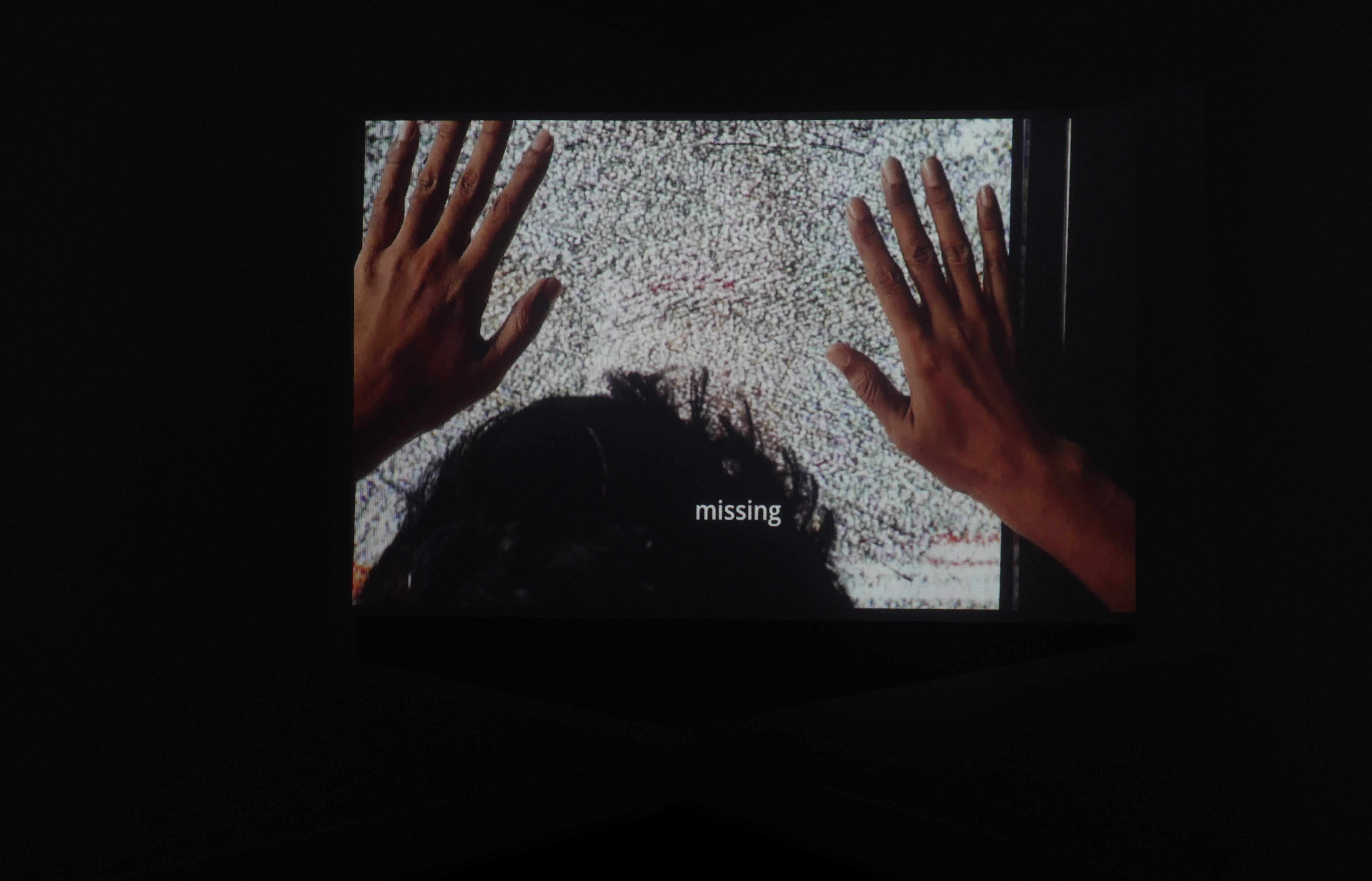
‘Palash’s deep-rooted fear and sense of insecurity resurfaces with every single stroke drawn on the surface of the TV screen as a signification of negation. Contesting and fictionalizing the dynamics of simulation Palash posits an antithesis of absence, or in other words conjures up a presence; presence of all those who fell victim to various means of disappearance. This is “Arrow’’ in a nutshell.’
The Purpose was to Document the Other Side
Laisul Hoque
2023
Duration: 14 min
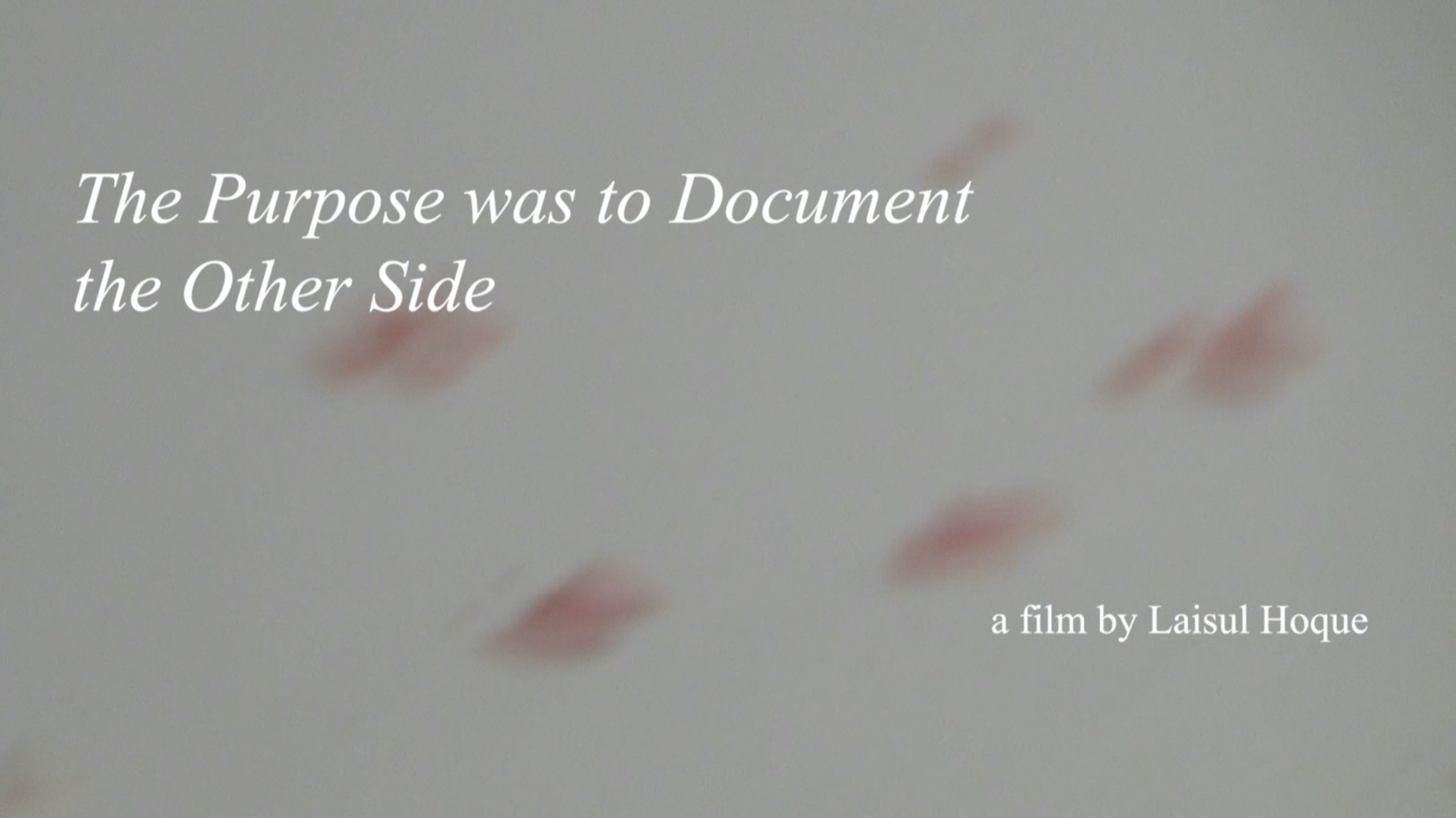
A short film capturing the artist's mother's journey to London. The film is recorded on a camera originally purchased by the artist's father in 2004 to document his European journey when he couldn’t bring his family along. Informed by the exploration of intimate conversation, the film compares the artist's upbringing with that of his mother, addressing generational trauma and confronting the emotional distance from his father. Through this documentary, the artist engages in the powerful act of curating their narrative together, vulnerable and emotional. It presents a compelling example of reclaiming personal and familial stories. By deciding to record and preserve this footage on the camera his father once used, the artist gives his mother a space to place her narrative, where originally it would have belonged solely to his father and himself. At the end of the film, the artist hands the camera to his mother, providing her with a means to contribute to the narrative.
The Story of Monsters and Captive Women
Partha Sen Gupta
2024
Duration: 8 min
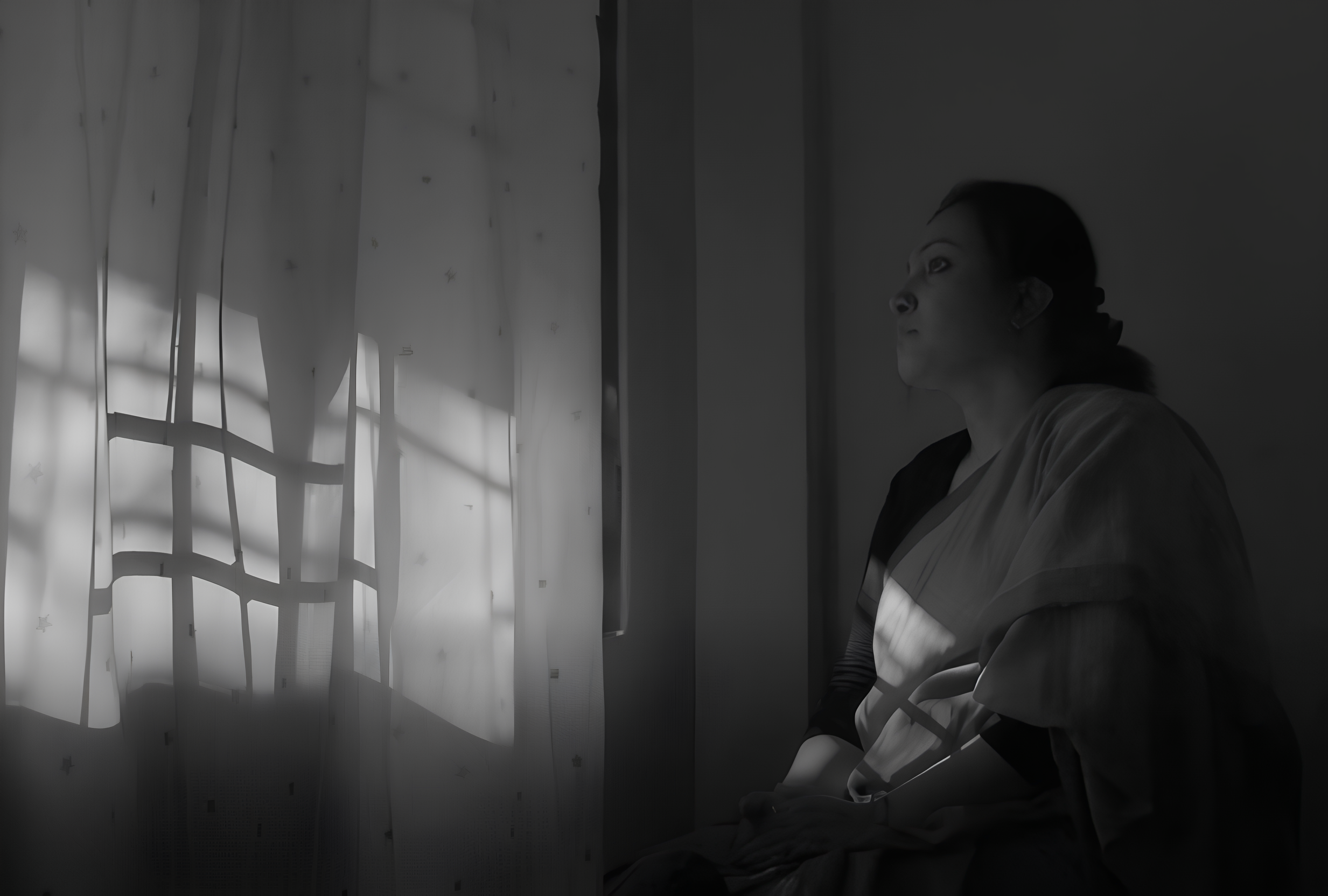
The Story of Monsters and Captive Women takes place within the domestic interior of a Bangladeshi household. The film follows a middle-aged woman who turns to writing as a means of navigating the constraints of routine, care, and social expectation. Moving between everyday reality and imagined fantasy, the work occupies a “third space” where personal experience intersects with broader questions of gender, agency, and visibility. Through metaphor and black-and-white imagery, the film functions as a counter-archive of women’s inner lives—preserving emotional and imaginative spaces often absent from official histories. By reconfiguring domestic confinement as a site of creative resistance, the work challenges dominant narratives surrounding womanhood and labour in contemporary Bangladesh.
Tales
John Hussain Flindt
2023
Duration: 22min
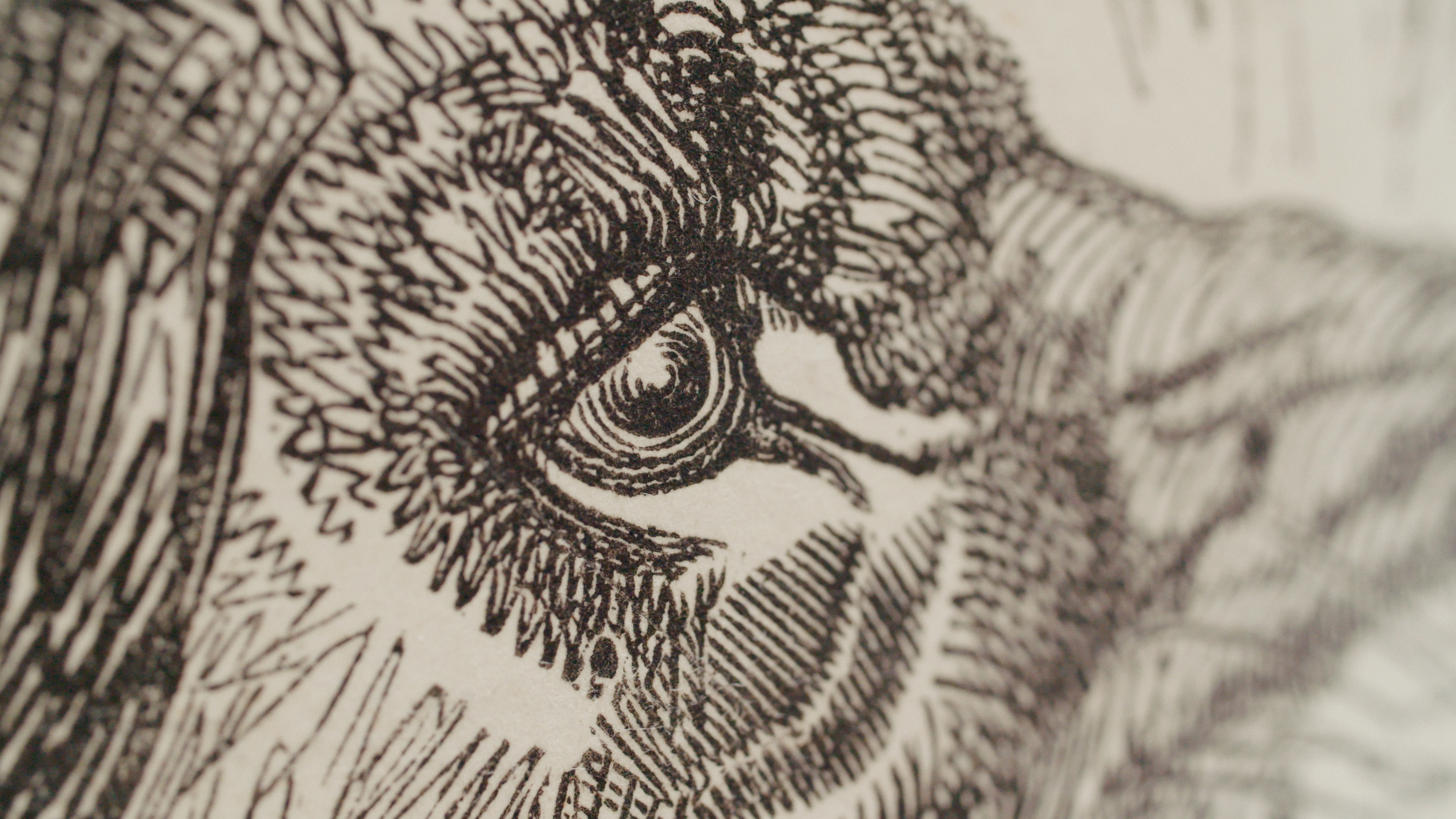
Tales weaves together personal and historical references, incorporating Victorian satirical illustrations of the 1857 Indian Uprising, 18th-century phantasmagoria shows, Alice in Wonderland, and contemporary nightclub spaces. The work is a reflection on the artist’s mixed British Bengali identity, his mother’s brain cancer, and the process of reconnecting with his father after years of absence. These personal moments serve as an entry point to broader questions about cultural hybridity, colonial history, and transformation in relation to transcendental desire.
Stab in the Dark (1)
Zihan Karim
2023
Duration: 17 min
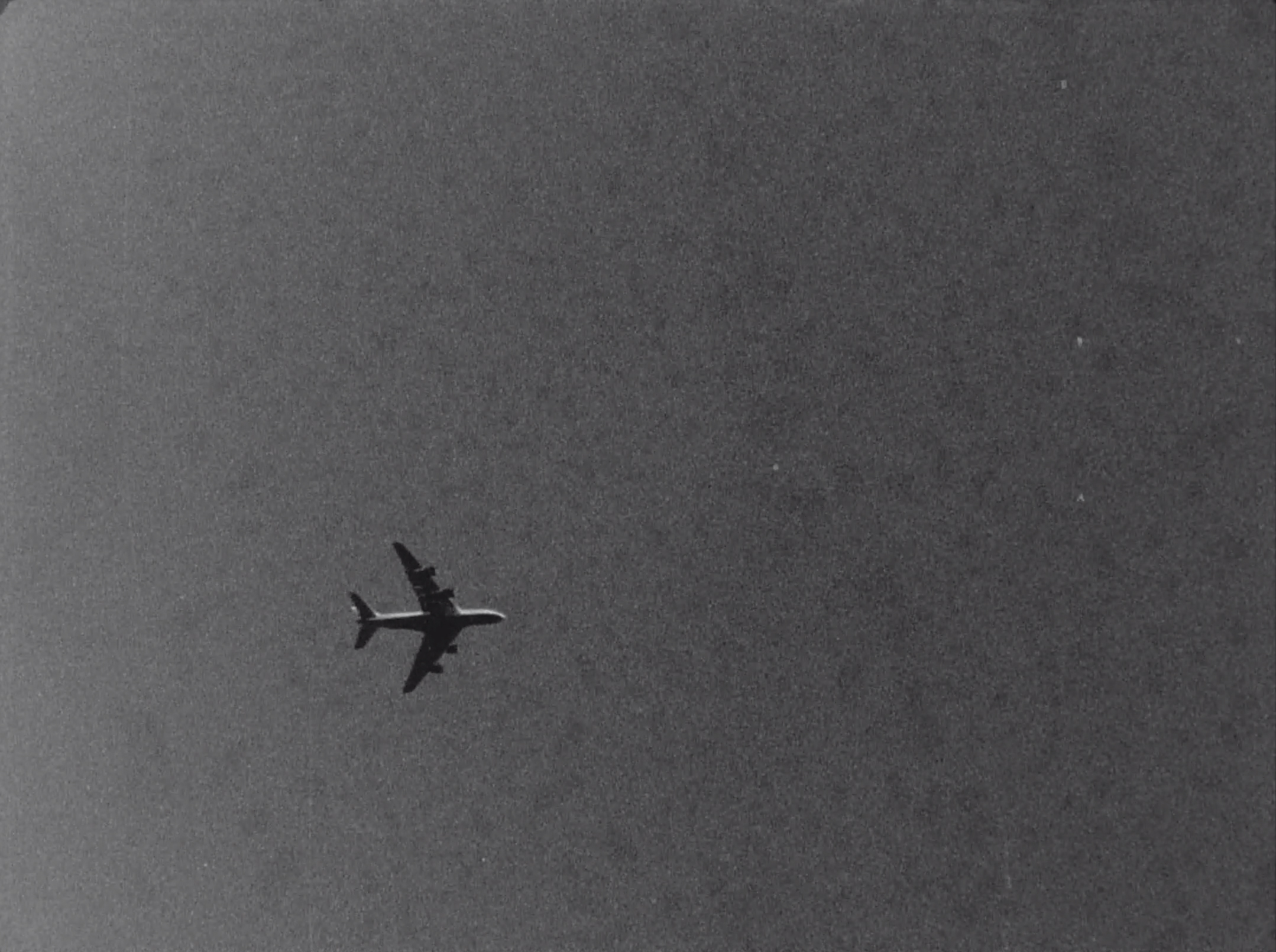
Stab in the Dark – 1 asks what happens when truth depends on who's telling it. The artist works through the story of 'Tamjid' (a pseudonym), a Bangladeshi asylum seeker who claimed to be gay to remain in the UK. Tamjid's account becomes the ground on which the film tests identity, survival, and the line between truth and performance.The artist researches asylum procedure, talks to solicitors, watches immigrant communities, and imagines conversations with Tamjid he never had. The film treats this as both interrogation and self-doubt, questioning Tamjid's story and his own reading of it. Empathy sits close to misrepresentation here, and the artist doesn't pretend otherwise. 'Skin memory' describes how outside pressure settles into how someone presents themselves, until performance and authenticity are hard to tell apart. The structure is fragmented and non-linear: sketches, imagined dialogue, the recurring image of a 'second skin'.